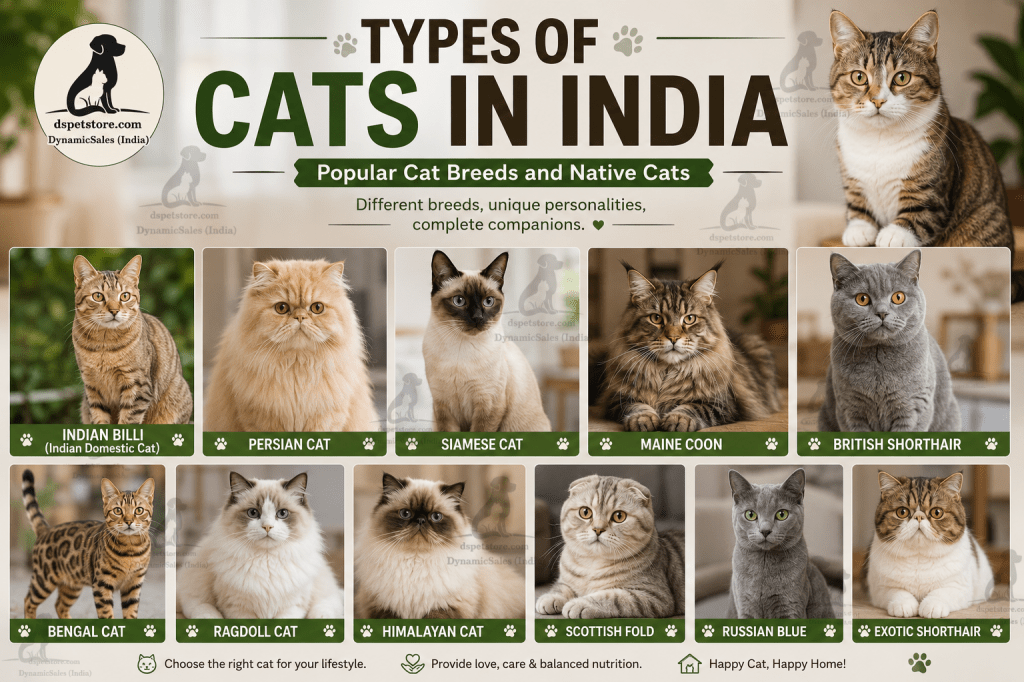
Popular Cat Breeds in India: Complete Guide
Cats have become one of the most popular companion animals in India. Whether you live in a spacious house or a compact apartment, there is a cat breed suited to nearly every lifestyle. From the adaptable Indian Domestic Cat to the luxurious Persian and energetic Bengal, every breed offers unique qualities, personalities, and care requirements. Understanding these differences helps you choose the right feline companion while ensuring a lifetime of responsible ownership. This comprehensive guide explores the most popular types of cats in India, their appearance, temperament, grooming, nutrition, exercise needs, health considerations, lifespan, and ideal homes. You’ll also learn practical care tips, responsible adoption advice, common myths, frequently asked questions, and recommendations based on current veterinary guidance.
Popular Types of Cats in India
1. Indian Domestic Cat (Indie Cat)
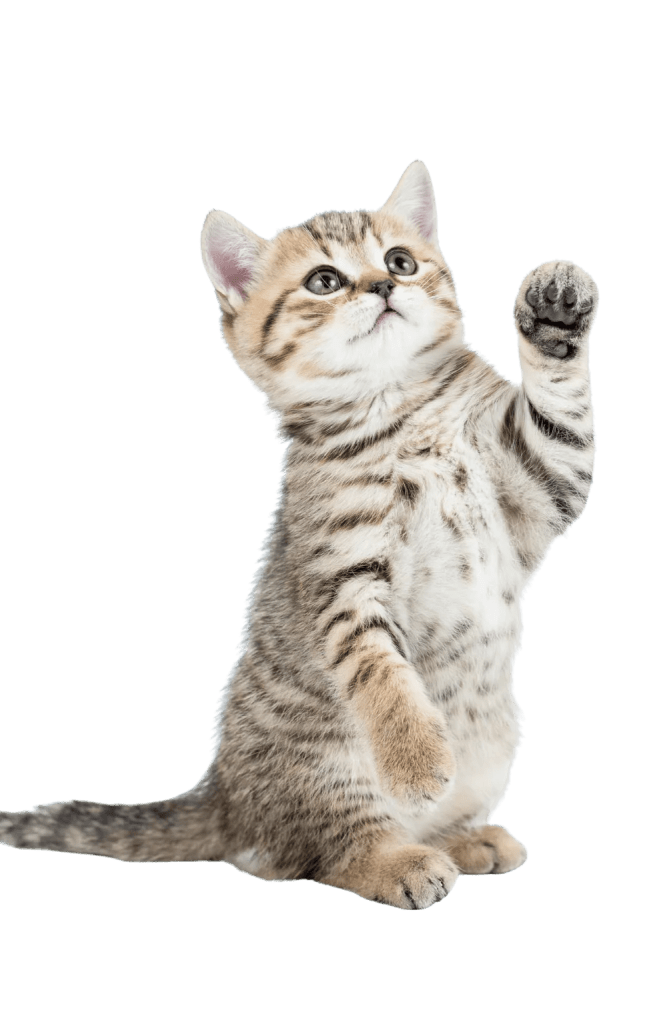
The Indian Domestic Cat is the most common feline found throughout the country. Naturally adapted to India’s climate, these cats are intelligent, resilient, affectionate, and excellent companions for first-time owners.
Appearance
- Medium-sized muscular body
- Short, low-maintenance coat
- Wide variety of coat colours and patterns
- Bright, expressive eyes
Temperament
- Friendly
- Intelligent
- Independent
- Playful
- Loyal
Grooming
Weekly brushing is usually sufficient.
Exercise Needs
Daily interactive play keeps them physically active and mentally stimulated.
Nutrition
Feed a complete, protein-rich diet suitable for their life stage.
Health Considerations
Generally healthy with fewer inherited genetic disorders than many pedigree breeds.
Ideal Home
Suitable for apartments, independent owners, couples, and families.
Average Lifespan
12–18 years.
2. Persian Cat
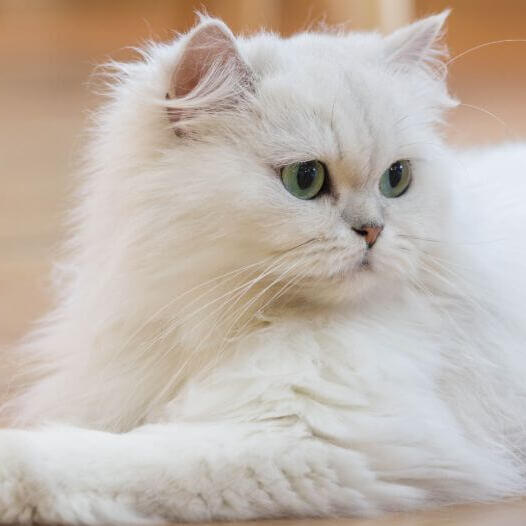
Persian cats are among the most popular pet cats in India due to their calm personality, affectionate nature, and luxurious long coat.
Appearance
- Long silky fur
- Flat face
- Large round eyes
- Compact body
Temperament
- Quiet
- Gentle
- Relaxed
- Loving
Grooming
Daily brushing is essential to prevent tangles.
Exercise Needs
Low to moderate.
Nutrition
Balanced nutrition helps maintain healthy skin and coat.
Health Considerations
Pay attention to eye care, breathing, dental hygiene, and coat maintenance.
Ideal Home
Indoor families seeking a calm companion.
Average Lifespan
12–17 years.
3. Siamese Cat
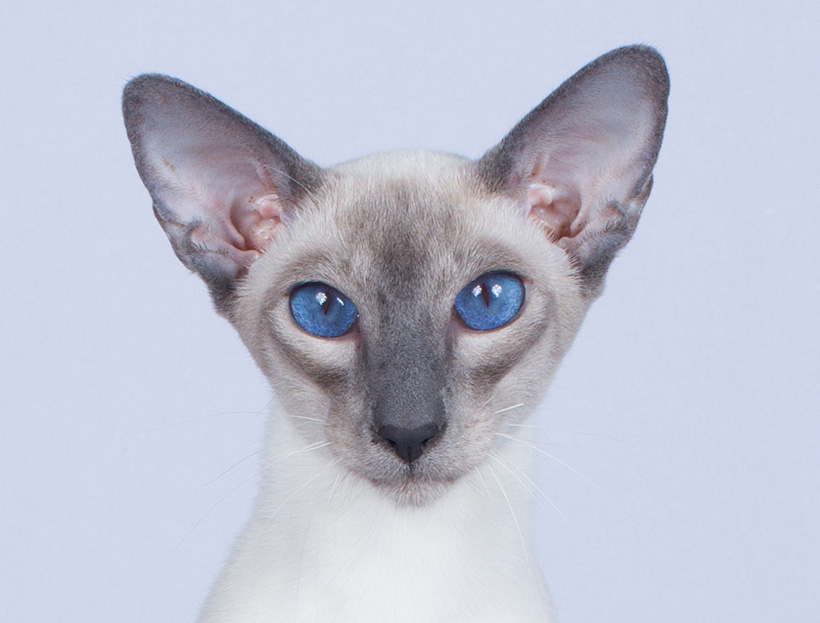
Siamese cats are highly intelligent, vocal, and deeply attached to their owners.
Appearance
- Sleek body
- Blue eyes
- Colour-point coat
- Large ears
Temperament
- Social
- Curious
- Active
- Intelligent
Grooming
Minimal grooming requirements.
Exercise Needs
High.
Nutrition
A high-quality protein diet supports their active lifestyle.
Health Considerations
Routine veterinary examinations help detect inherited conditions early.
Ideal Home
Owners who can spend plenty of time interacting with their pet.
Average Lifespan
12–20 years.
4. Bengal Cat
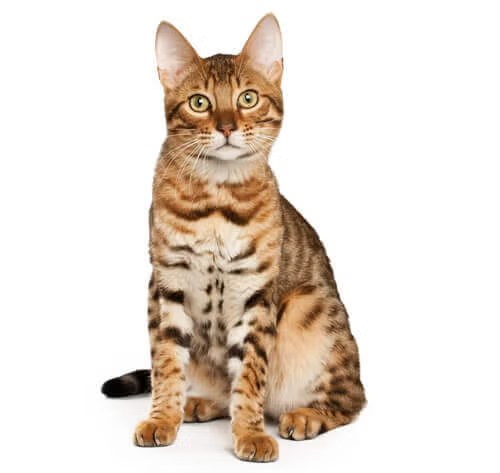
The Bengal Cat combines the appearance of a wild cat with the personality of a playful companion.
Appearance
- Rosette markings
- Athletic body
- Glossy short coat
Temperament
- Energetic
- Intelligent
- Curious
- Confident
Grooming
Easy weekly brushing.
Exercise Needs
Very high.
Nutrition
High-protein diets help support muscle development and energy.
Health Considerations
Needs mental stimulation to prevent boredom.
Ideal Home
Active households with plenty of enrichment.
Average Lifespan
12–16 years.
5. Maine Coon
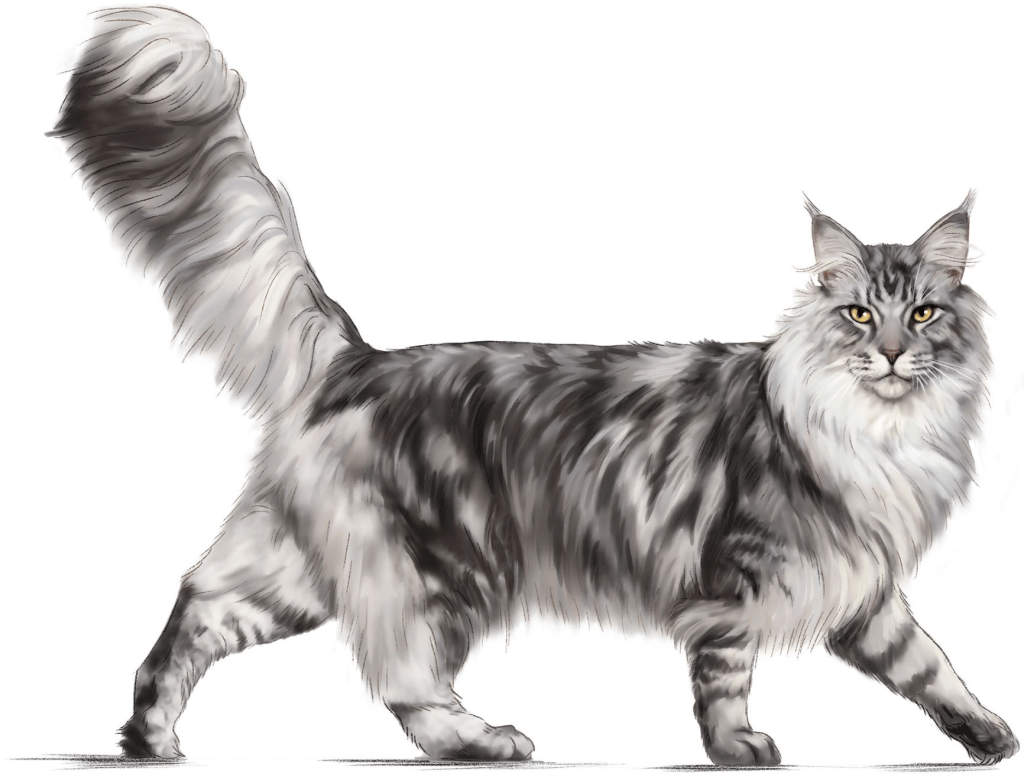
Known as the gentle giant, the Maine Coon is one of the world’s largest domestic cat breeds.
Appearance
- Large body
- Long thick coat
- Bushy tail
- Tufted ears
Temperament
- Gentle
- Friendly
- Intelligent
- Family-oriented
Grooming
Brush several times each week.
Exercise Needs
Moderate.
Nutrition
Large breeds benefit from balanced diets that support joint health.
Health Considerations
Regular veterinary check-ups are recommended.
Ideal Home
Homes with ample indoor space.
Average Lifespan
10–15 years.
6. British Shorthair
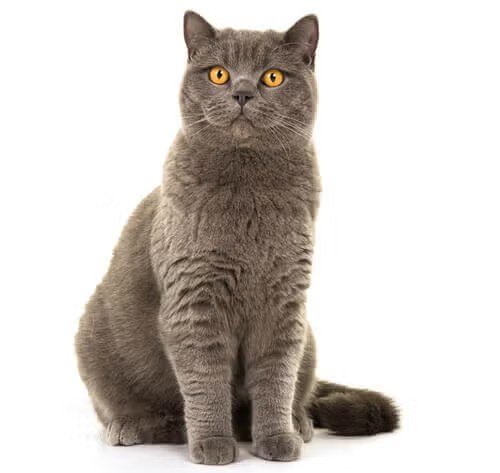
British Shorthairs are calm, affectionate, and easy to care for, making them excellent companions.
Appearance
- Dense plush coat
- Round face
- Strong body
Temperament
- Calm
- Independent
- Gentle
Grooming
Weekly brushing.
Exercise Needs
Moderate.
Nutrition
Balanced nutrition helps maintain healthy body weight.
Health Considerations
Monitor weight and dental health.
Ideal Home
Apartments and family homes.
Average Lifespan
12–20 years.
7. Ragdoll
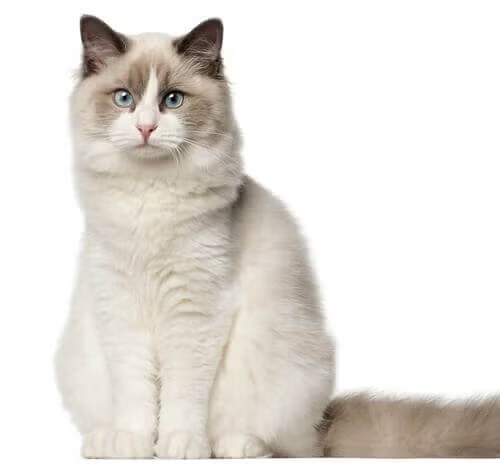
Ragdolls are affectionate indoor cats known for their gentle personality.
Appearance
- Semi-long coat
- Blue eyes
- Large body
Temperament
- Calm
- Friendly
- Relaxed
Grooming
Brush several times weekly.
Exercise Needs
Moderate.
Nutrition
High-quality complete diet.
Health Considerations
Routine veterinary monitoring is recommended.
Ideal Home
Families seeking affectionate companions.
Average Lifespan
12–17 years.
8. Scottish Fold
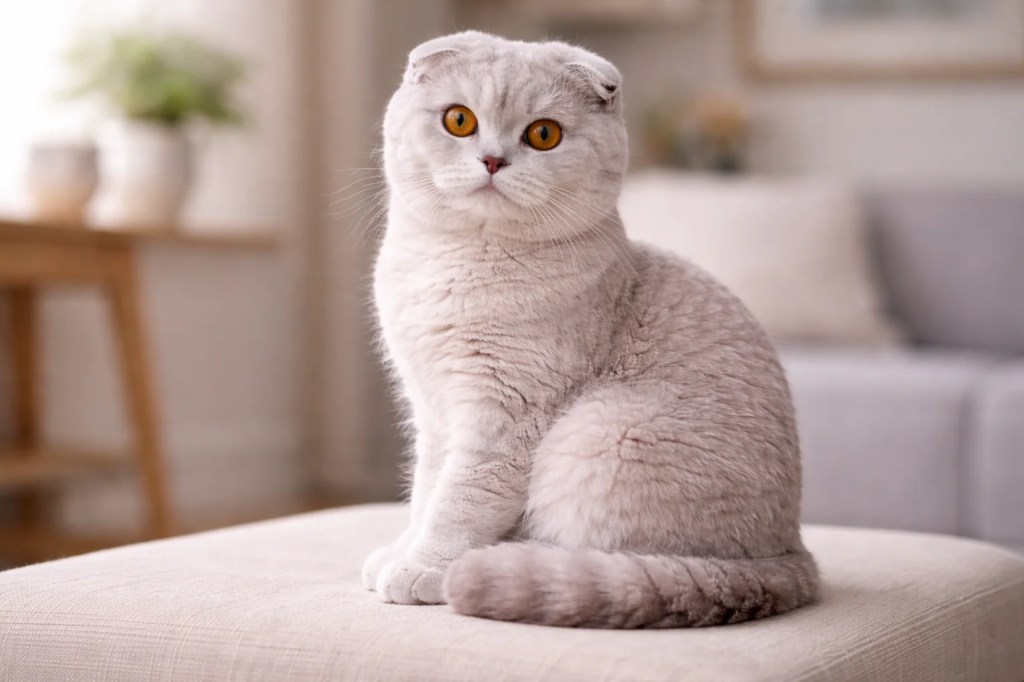
Scottish Fold cats are famous for their folded ears and sweet personality.
Appearance
- Folded ears
- Medium-sized body
- Plush coat
Temperament
- Gentle
- Affectionate
- Quiet
Grooming
Weekly brushing.
Exercise Needs
Moderate.
Nutrition
Balanced diet appropriate for life stage.
Health Considerations
Regular veterinary assessments help monitor joint health.
Ideal Home
Indoor homes.
Average Lifespan
11–15 years.
9. Himalayan Cat
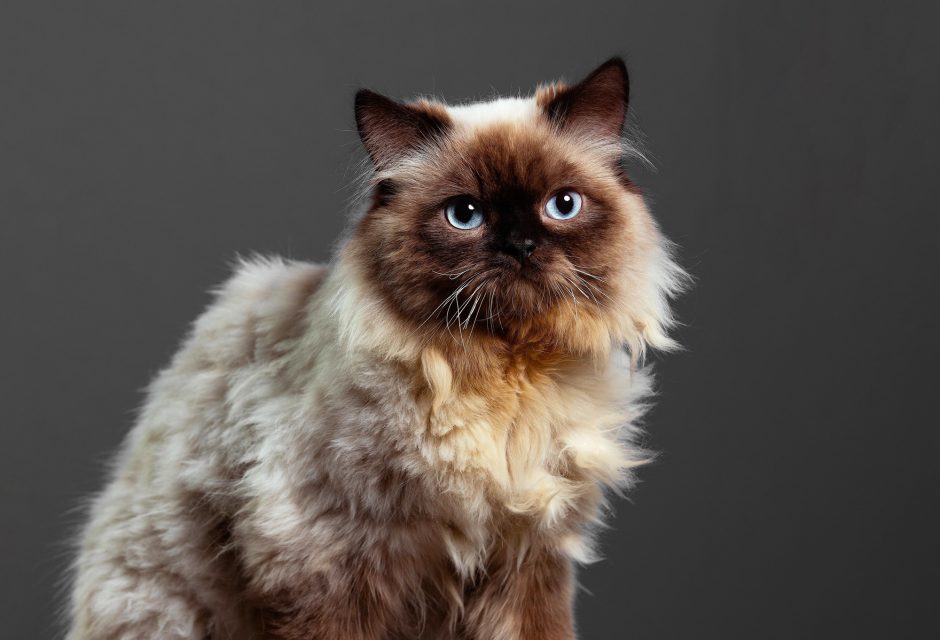
The Himalayan combines Persian elegance with Siamese colour-point markings.
Appearance
- Long coat
- Blue eyes
- Colour-point pattern
Temperament
- Gentle
- Quiet
- Affectionate
Grooming
Daily brushing.
Exercise Needs
Low to moderate.
Nutrition
Complete diet supporting coat condition.
Health Considerations
Monitor eye and respiratory health.
Ideal Home
Quiet indoor households.
Average Lifespan
12–15 years.
10. Russian Blue
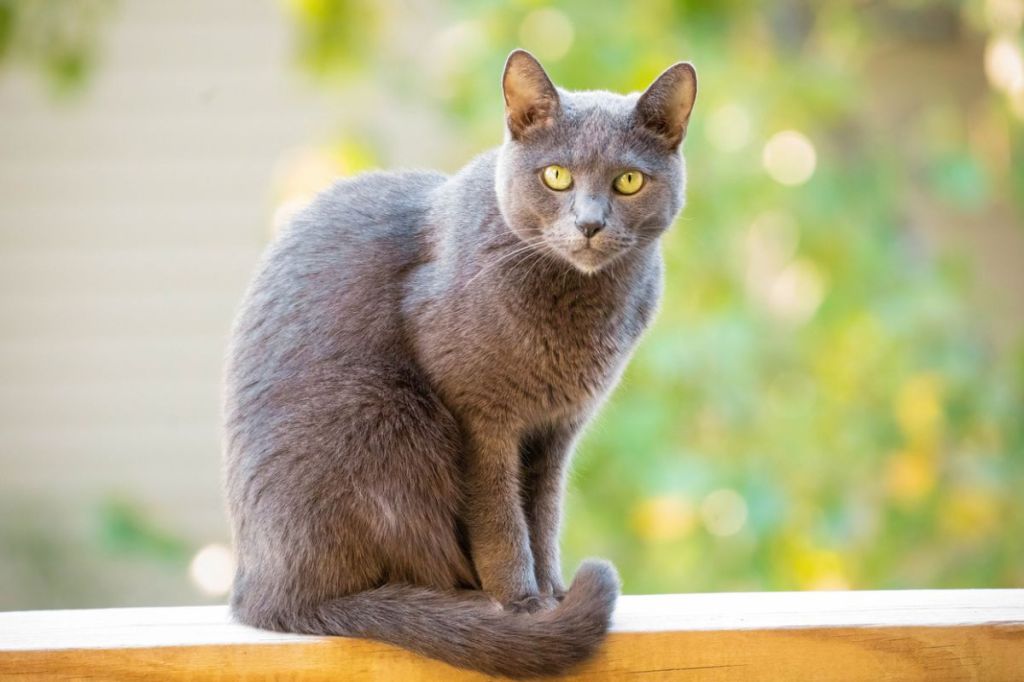
Russian Blue cats are elegant, intelligent, and loyal companions.
Appearance
- Blue-grey coat
- Green eyes
- Slim body
Temperament
- Quiet
- Intelligent
- Loyal
Grooming
Minimal brushing.
Exercise Needs
Moderate.
Nutrition
Balanced protein-rich diet.
Health Considerations
Generally healthy with preventive veterinary care.
Ideal Home
Families and professionals.
Average Lifespan
15–20 years.
How to Choose the Right Cat
Choosing the right cat depends on your lifestyle, available space, grooming commitment, activity level, and budget. Families with children often appreciate friendly and patient breeds, while professionals living in apartments may prefer calm, independent cats. Always consider long-term healthcare costs, grooming requirements, nutrition, and your ability to provide lifelong care before bringing a cat home.
Complete Cat Care Guide
Feeding
Provide a complete and balanced diet appropriate for your cat’s age, activity level, and health status. Fresh water should always be available. Some cats may develop food sensitivities, while others benefit from specialized diets formulated for specific health conditions such as urinary care, kidney support, digestive health, sensitive skin, weight management, liver support, or joint health. Always consult your veterinarian before changing your cat’s diet.
Grooming
Brush short-haired cats weekly and long-haired breeds daily. Trim nails regularly, clean ears when necessary, and maintain good dental hygiene.
Exercise
Encourage daily play using interactive toys, scratching posts, climbing trees, tunnels, and puzzle feeders to prevent obesity and boredom.
Training
Use positive reinforcement to teach litter box habits, scratching post use, and basic commands.
Socialization
Gradually introduce your cat to new people, pets, and environments while respecting its comfort level.
Veterinary Care
Schedule annual health examinations, vaccinations, parasite prevention, dental check-ups, and wellness screenings.
Preventive Healthcare
Maintain vaccination schedules, sterilize or neuter your cat, provide parasite control, monitor weight, and seek veterinary advice whenever you notice changes in appetite, behaviour, or activity.
Frequently Asked Questions
Which cat breed is best in India?
Indian Domestic Cats, Persian Cats, Siamese Cats, and British Shorthairs are among the most popular choices depending on your lifestyle.
Which cat is easiest to care for?
Indian Domestic Cats generally require the least grooming and adapt well to Indian weather.
Which cat breed is best for apartments?
Persian, British Shorthair, Ragdoll, and Indian Domestic Cats adapt well to apartment living.
Do long-haired cats require more grooming?
Yes. Long-haired breeds usually require daily brushing to prevent matting and hairballs.
Can cats live comfortably in Indian weather?
Yes. Most cats adapt well when provided with shade, clean water, good nutrition, and proper indoor conditions during extreme heat.
Which cat breed is most affectionate?
Ragdolls, Persians, and Siamese are known for their affectionate personalities.
Common Myths
Myth: Cats are completely independent.
Fact: Cats enjoy companionship, routine, and interaction with their families.
Myth: Cats always land safely.
Fact: Falls can cause serious injuries despite their natural righting reflex.
Myth: Indoor cats never need vaccinations.
Fact: Indoor cats still require routine vaccinations and preventive veterinary care.
Myth: Cats only drink milk.
Fact: Most adult cats are lactose intolerant. Fresh water is the healthiest option.
Myth: Cats cannot be trained.
Fact: Cats respond well to positive reinforcement and can learn many behaviours.
Responsible Adoption
Consider adopting from reputable animal shelters, rescue organizations, or ethical breeders. Before bringing home a cat, research its care requirements, ensure your family is prepared for a lifelong commitment, schedule vaccinations, arrange sterilization when appropriate, provide preventive healthcare, and establish regular veterinary care. Responsible ownership improves the welfare of both pets and communities.
Featured Image Suggestion
A high-resolution image featuring several popular cat breeds found in India, including an Indian Domestic Cat, Persian, Bengal, Siamese, Maine Coon, British Shorthair, and Ragdoll in a bright indoor setting.
Additional Image Suggestions
- Indian Domestic Cat outdoors
- Persian Cat portrait
- Bengal Cat playing
- Siamese Cat close-up
- Maine Coon sitting indoors
- British Shorthair resting
- Ragdoll with a family
- Cat grooming session
- Indoor cat enrichment area
- Healthy cat eating balanced food
Infographic Suggestions
- Popular Cat Breeds in India Comparison
- Cat Grooming Schedule
- Cat Lifespan Comparison Chart
- Feeding Guide by Age
- Vaccination Timeline
- Indoor Cat Care Checklist
- Temperament Comparison
- New Cat Owner Checklist
Conclusion
The many types of cats in India offer something for every household, whether you prefer the adaptable Indian Domestic Cat, the elegant Persian, the playful Bengal, or the gentle Maine Coon. Understanding each breed’s personality, grooming needs, nutrition, exercise requirements, and health considerations helps you make an informed decision. Choose responsibly, provide balanced nutrition, maintain regular veterinary care, and create a safe, enriching environment where your feline companion can thrive. If you are ready to welcome a cat into your life, consider adopting from a reputable shelter or rescue organization and enjoy the lifelong companionship of a healthy, happy pet.
 DsPetStore Blog
Leave a comment