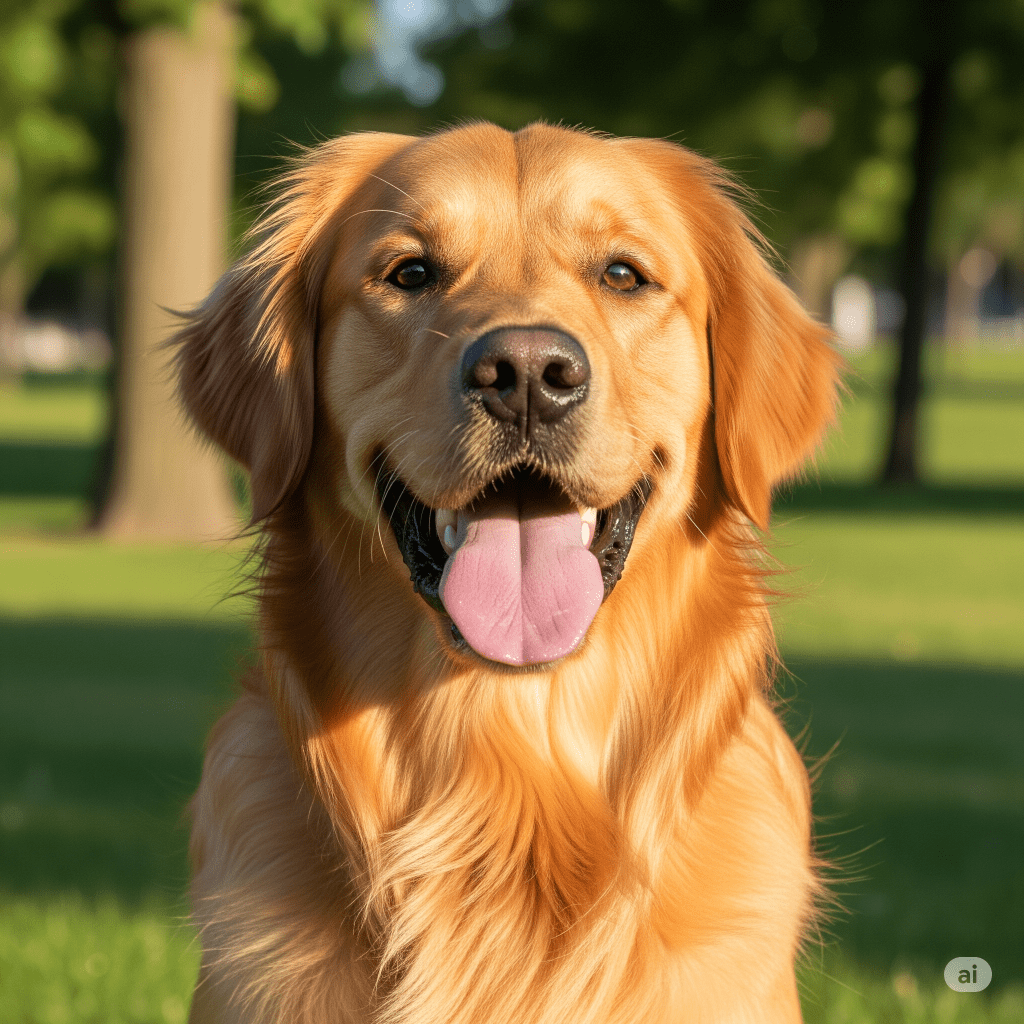
Shedding is a natural process for pets, but excessive shedding can be a sign of underlying health issues. A strong immune system and proper nutrition are key to promoting healthy skin and a glossy coat, which can significantly reduce shedding. Here is a blog post you can use for your website, DSPETSTORE.COM, covering this important topic.
Boost Your Pet’s Immunity to Combat Excessive Shedding
As a pet parent, finding fur on your clothes, furniture, and floors is a daily reality. While some shedding is completely normal, especially during seasonal changes, excessive hair loss can be a sign that your pet’s health, particularly their immune system, needs a little extra support. A healthy pet is a happy pet, and a strong immune system is the foundation for a healthy coat.
Here’s how you can help boost your pet’s immunity to keep their skin healthy and shedding under control.
1. The Connection Between Immunity and Shedding
Think of your pet’s coat as a mirror of their internal health. When their immune system is compromised, their body may divert resources away from non-essential functions, like maintaining a strong coat. This can lead to weakened hair follicles, dry skin, and increased shedding. A robust immune system, on the other hand, helps to:
- Prevent Inflammation: It fights off irritants and allergens that can cause skin inflammation, a common trigger for hair loss.
- Strengthen Hair Follicles: Healthy immunity supports the production of strong, resilient hair strands.
- Promote Healing: A strong immune response ensures your pet’s skin can quickly recover from minor irritations, preventing further hair loss.
2. Power Up Their Diet: Key Nutrients for a Healthy Coat
The most effective way to support your pet’s immune system and reduce shedding is through their diet. Ensure your pet’s food is rich in these essential nutrients:
- Omega-3 and Omega-6 Fatty Acids: These “good fats,” found in sources like fish oil, flaxseed, and salmon, are anti-inflammatory powerhouses. They help soothe irritated skin, keep the coat hydrated, and strengthen hair follicles.
- High-Quality Protein: Hair is made primarily of protein. A diet rich in high-quality, named protein sources like chicken, salmon, or lamb provides the amino acids needed for healthy hair growth and repair.
- Antioxidant-Rich Vitamins (A, C, and E): These vitamins protect skin cells from damage caused by free radicals. Vitamin A supports cell regeneration, Vitamin E promotes coat shine, and Vitamin C boosts overall immunity. Incorporate pet-safe foods like carrots, sweet potatoes, and blueberries into their diet.
- Zinc: This crucial mineral plays a vital role in skin repair and hair growth. A zinc deficiency can lead to dry skin and increased shedding. High-quality pet food or supplements can provide this essential nutrient.
- Probiotics: A healthy gut is a cornerstone of a strong immune system. Probiotics found in plain, unsweetened yogurt or specialized supplements help maintain a balanced gut microbiome, which improves nutrient absorption and strengthens the body’s natural defenses.
3. The Importance of Hydration and Grooming
Beyond diet, proper hydration and a consistent grooming routine are non-negotiable for managing shedding.
- Hydration: Ensure your pet always has access to fresh, clean water. Dehydrated skin is dry and flaky, making it more prone to shedding.
- Grooming: Regular brushing removes loose fur before it ends up on your furniture. It also distributes your pet’s natural oils throughout their coat, leaving it shiny and healthy. Use a brush or comb appropriate for your pet’s coat type. Monthly baths with a moisturizing, pet-specific shampoo can also help.
4. When to Consult Your Vet
If you’ve made dietary and grooming changes but your pet’s shedding persists or is accompanied by other symptoms like itching, bald spots, or skin lesions, it’s time to consult your veterinarian. Excessive shedding can sometimes be a symptom of more serious issues, such as:
- Allergies or skin infections
- Hormonal imbalances (e.g., thyroid disorders)
- Parasites like fleas or mites
Your vet can help you identify the root cause and recommend a treatment plan, which may include further dietary adjustments or medical treatments.
By focusing on a balanced diet, proper hydration, and consistent grooming, you can help fortify your pet’s immune system, resulting in a healthier, shinier coat and a significant reduction in shedding. A little extra care can lead to a big difference in your pet’s overall well-being and a cleaner home for you!
 DsPetStore Blog
Leave a comment